How Can Automatic Coil Packing Master the Challenges of Steel, Copper, and Aluminum Handling in Your Factory?
Are you, like many factory managers I’ve worked with, constantly battling production bottlenecks, escalating safety incidents, and frustrating product damage in your coil handling operations? These are not just minor inconveniences; they are significant drains on your profitability, employee morale, and overall operational efficiency. What if there was a way to overcome these hurdles, transforming your challenges into opportunities for growth and optimization?
Automatic coil packing is the advanced solution your factory needs to streamline the handling of steel, copper, and aluminum coils, directly addressing the core issues of efficiency, safety, and product integrity. By integrating intelligent automation, businesses like yours can achieve faster throughput, drastically reduce manual labor risks, and ensure coils arrive at their destination in pristine condition, fundamentally revolutionizing your production line from start to finish. (automatic coil packing benefits, steel copper aluminum handling, factory automation)
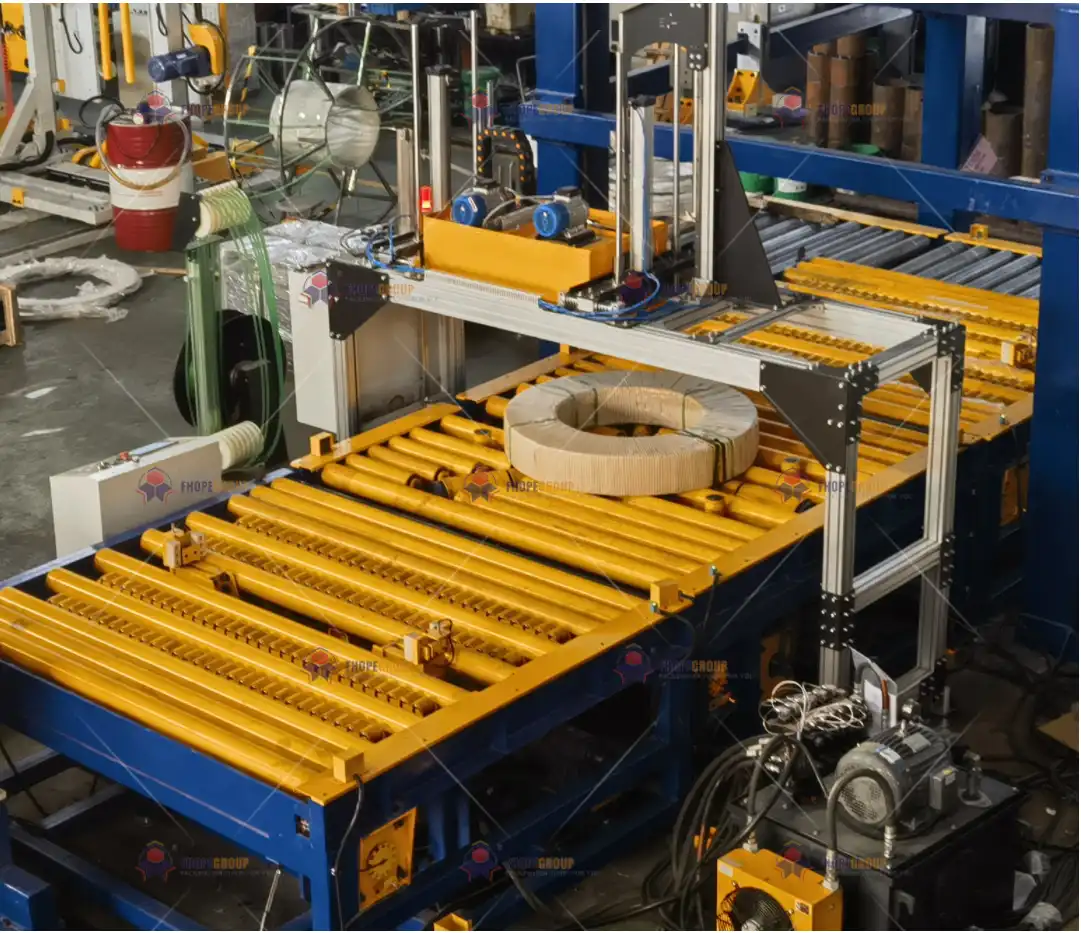
As someone who has navigated the complexities of the packing machine industry from the ground up, I understand these pressures intimately. I have seen firsthand how the right technology can be a game-changer. Let’s delve deeper into how modern automatic coil packing can specifically tackle the challenges you face every day.
1. Why is Manual Coil Packing a Bottleneck for Your Production Efficiency?
Is your current manual coil packing process slowing down your entire production line, creating frustrating bottlenecks that hold back your delivery times and overall output? The reliance on heavy manual labor for tasks like strapping and wrapping coils is not just slow; it is inconsistent, prone to errors, and directly impacts your ability to meet demanding production targets and client expectations. It is time to explore how intelligent automation can transform this critical end-of-line process from a drag to a dynamic driver of efficiency.
Manual coil packing creates significant production bottlenecks because it is slow, labor-intensive, and susceptible to human error. This method limits throughput, increases processing time per coil, and often leads to inconsistent packaging quality. It directly hinders the overall speed and efficiency of manufacturing operations for steel, copper, and aluminum products. (manual coil packing inefficiency, production bottlenecks, labor-intensive coil handling)

From my own journey building and running a successful packing machine factory, I learned that every minute of downtime or slow processing at the end of the line directly impacts profitability. For a factory manager like Michael in Mexico, where heavy manufacturing demands consistent output, manual coil packing is not just inefficient; it is a critical vulnerability. It creates a chain reaction that affects the entire production ecosystem.
⏱️ The Hidden Costs of Slow Processing
Manual operations are naturally slower than automated systems. This is not about your workers; it is about the physical limitations and ergonomics of human tasks.
- Reduced Throughput: Each coil takes longer to pack. This directly limits the number of coils your factory can process daily. If you handle steel, copper, or aluminum coils, this means lost production capacity.
- Inconsistent Cycle Times: Manual processes lack the precision of machines. One shift might be faster than another. Even one worker might be faster than another. This leads to unpredictable lead times.
- Dependence on Labor Availability: Holidays, sickness, or labor shortages can bring your packing line to a standstill. An automated system works tirelessly, around the clock, without these human variables.
📈 Impact on Overall Production Flow
Your coil packing is not an isolated activity. It is a vital link in your entire supply chain. It connects raw material intake to finished product shipment.
- Upstream Bottlenecks: A slow packing process can cause coils to pile up. This impacts upstream operations like slitting or forming. It creates a domino effect across the factory.
- Delayed Deliveries: When packing cannot keep pace with production, your outbound shipments are delayed. This can lead to missed deadlines, unhappy clients, and even contractual penalties.
- Increased Inventory Holding Costs: More finished goods waiting to be packed means more space used. It also means higher carrying costs for your inventory.
Consider the contrast: a skilled operator might take several minutes to manually strap and wrap a large steel coil. They must ensure proper tension and protection. An automated strapping machine, like those I helped design at FHOPEPACK, can complete the same task in seconds. It does this with consistent, repeatable quality. This is not just about speed; it is about reliability and scalability. When I was setting up my factory, investing in automation for coil strapping and wrapping was one of the first strategic moves I made. This helped secure consistent output. It also allowed for future growth without exponentially increasing labor costs. This foresight proved invaluable as we scaled our operations and took on larger orders. The automation delivered clear ROI, a factor Michael Chen also highly values in his operations. (coil packing automation, factory efficiency improvement, heavy manufacturing workflow, labor cost reduction)
2. How Can Automation Significantly Reduce Safety Risks in Coil Handling?
Are you constantly worried about the safety of your workers, especially those involved in the hazardous task of manually handling heavy steel, copper, or aluminum coils? The high risk of injury from lifting, positioning, and securing these massive coils is not just a compliance issue; it leads to painful accidents, high insurance premiums, and costly employee turnover. This creates a cycle of worry for you and your team. It is time to discover how state-of-the-art automation can fundamentally transform your factory floor into a much safer environment, protecting your most valuable asset: your people.
Automation significantly reduces safety risks in coil handling by removing the need for manual heavy lifting, positioning, and securing of steel, copper, or aluminum coils. Automated systems take over hazardous tasks. They minimize worker exposure to potential crush injuries, strains, and falls. This creates a safer working environment, lowers accident rates, and reduces associated insurance and medical costs for manufacturers. (coil handling safety, automation risk reduction, workplace injury prevention, heavy material handling)
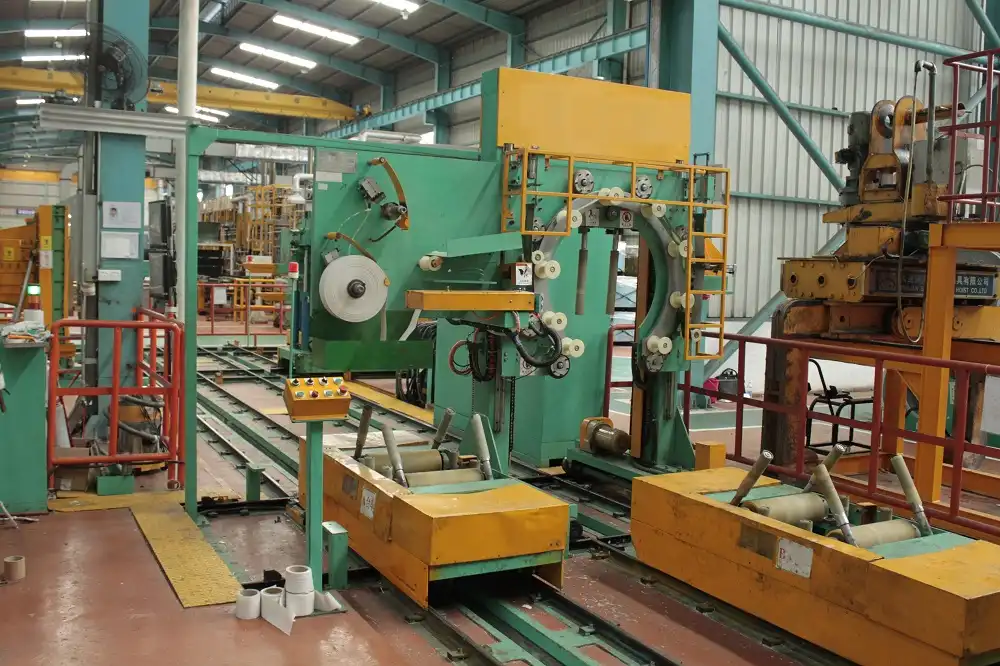
The safety of my team has always been a top priority. When you deal with heavy materials like steel, copper, or aluminum coils, the potential for serious injury is always present in manual operations. Michael Chen’s concern about high injury risks, insurance costs, and employee turnover resonates deeply with my own experiences. Automation is not just about efficiency; it is a moral imperative and a smart business decision that protects both workers and the company’s bottom line.
🛡️ Eliminating Direct Worker Exposure to Hazards
The most immediate benefit of automation is removing humans from dangerous situations. It is a direct measure to prevent harm.
- Reduced Manual Lifting: Heavy coils, sometimes weighing tons, are too much for human strength. Automated systems, equipped with robust conveyors, up-enders, and manipulators, handle the entire load. This means workers do not need to strain themselves. 👷♂️
- Minimizing Repetitive Strain Injuries (RSIs): Even tasks that do not involve extreme weight, such as repetitive strapping or wrapping motions, can lead to chronic injuries over time. Machines perform these tasks without fatigue.
- Protection from Falling Objects: Automated lines keep coils securely transported and positioned. This reduces the risk of accidental drops or shifts. Such incidents could harm nearby personnel.
The Tangible Business Impact of Enhanced Safety
Beyond the well-being of your employees, improving safety has direct positive effects on your factory’s bottom line. These are measurable improvements that enhance profitability.
| Aspect | Manual Handling Risks | Automated Handling Benefits |
|---|---|---|
| Worker Injuries | High risk of strains, crushes, falls. | Dramatically reduced. Workers operate safely remotely. |
| Insurance Costs | Higher premiums due to frequent claims. | Lower premiums, fewer claims. |
| Employee Turnover | Disgruntled workers seeking safer jobs. | Improved morale, better retention. |
| Production Loss | Downtime from accidents, investigations. | Continuous operation, minimal disruption. |
| Compliance Fines | Penalties for safety violations. | Easier compliance with safety regulations. |
| Reputation | Negative image from accidents. | Positive image as a responsible employer. |
When I founded FHOPEPACK, I aimed to provide solutions that were not only powerful but also inherently safe. For example, our vertical coil packaging lines are designed to secure coils on pallets. Then they wrap them automatically. This prevents the need for manual flipping or wrestling with unstable loads. This focus on safety in design ensures that workers like those in Michael’s factory in Mexico can focus on oversight rather than risking their bodies. Michael’s concern about "high insurance costs and employee turnover" is something I directly addressed in my own factory. By implementing automated solutions, we achieved a safer, more stable workforce. (factory safety solutions, automated material handling, industrial accident prevention, Mexico manufacturing safety)
3. What’s the Real Cost of Product Damage During Coil Transfer and Packing?
Are you frequently encountering costly product damage to your steel, copper, or aluminum coils during internal transfer and the packing process? Does this lead to customer complaints and eroded profits? These seemingly minor dents, scratches, or edge damages are not just cosmetic. They result in rejected shipments, rework, or even discounted sales. This directly impacts your bottom line and your brand’s reputation for quality. It is time to quantify these hidden costs and discover how precision automation can safeguard your valuable products from the moment they leave the production line to the point of shipment.
The real cost of product damage during coil transfer and packing is more than just material loss. It includes customer complaints, product rejections, costly rework, decreased customer satisfaction, and potential profit margin erosion. Manual or inefficient handling of steel, copper, and aluminum coils often leads to scratches, dents, and edge damage. This directly impacts product quality and market value. So, robust automated solutions are essential for product integrity. (coil damage cost, product quality protection, automated packing benefits, manufacturing waste reduction)
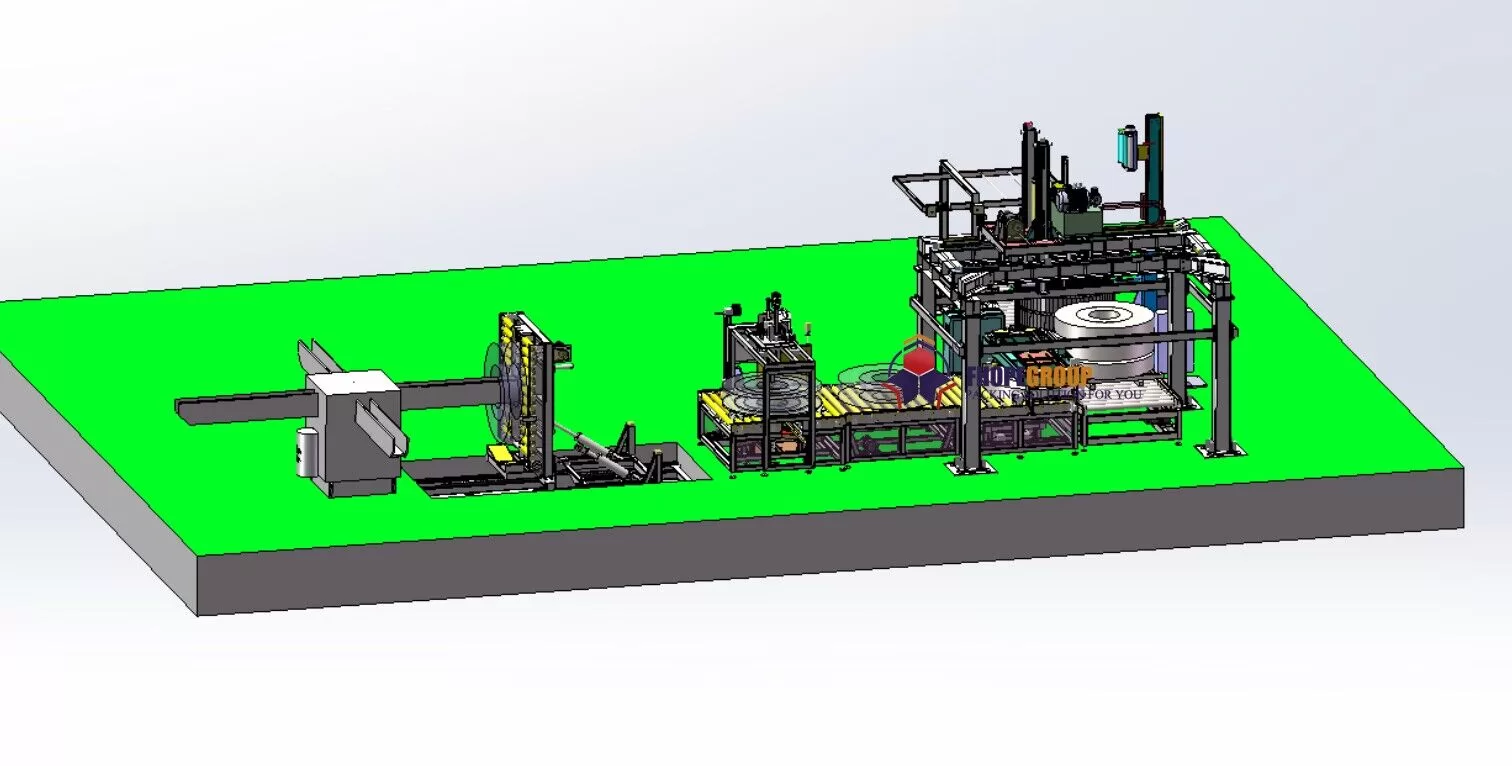
Protecting the quality of the finished product is paramount. Michael’s challenge of "product (such as steel coil edges) damage during internal transfer and packing" hits home for me. I have witnessed how even minor damage can turn a perfectly good coil into a significant financial loss. In the competitive metal processing industry, where Michael operates a factory in Mexico, quality is a key differentiator. Automated solutions are designed with this in mind. They offer a level of precision and gentleness that manual handling often cannot match.
💰 The Chain Reaction of Product Damage
The cost of product damage extends far beyond the scrap value of the damaged material. It triggers a cascade of negative effects throughout the business.
- Direct Material Loss: This is the obvious cost of a damaged coil. It requires either repair or scrapping. This is a direct hit to your manufacturing budget.
- Rework and Labor Costs: If a coil can be salvaged, the labor and time spent on rework cut into profits. This uses up valuable resources that could be spent on new production.
- Logistics Headaches: Rescheduling shipments, arranging returns, and processing claims are time-consuming and costly. These administrative burdens add hidden expenses.
- Customer Dissatisfaction: Damaged goods lead to unhappy customers. This means lost repeat business and a tarnished reputation. Good customer relationships are vital.
- Brand Erosion: Consistently delivering damaged products damages your brand’s image. It makes you seem like a less reliable, quality supplier. This can have long-term market impact.
🛡️ How Automation Protects Your Product
Automated coil handling and packing systems are engineered to minimize contact points. They control movement. They apply packaging materials with consistent precision. This ensures maximum protection.
- Gentle Handling Mechanisms: Automated conveyors and manipulators are designed to support coils evenly. They prevent sagging, denting, or edge damage. This often occurs with cranes or forklifts during manual transfers.
- Consistent Packaging Application: Machines apply strapping, wrapping, and banding with precise tension and placement. This ensures the coil is securely protected against impacts and environmental factors during transit and storage. This means fewer loose straps or inadequate wraps that could lead to damage.
- Reduced Human Error: Fatigue, distraction, or inexperience in manual operations can easily lead to accidents and product damage. Automated systems follow programmed parameters, eliminating these human variables.
- Customized Protection: Advanced automated systems can be programmed to apply specific packaging patterns or materials. These are tailored to different coil types (steel, copper, aluminum) and their unique vulnerabilities.
When I was building my packing machine factory, one of our core design philosophies at FHOPEPACK was to ensure maximum product protection. We understood that a packaging machine is not just about wrapping; it is about preserving the value of the product inside. For instance, our steel coil packing lines incorporate features like precise coil centering and gentle rotation to prevent edge damage. This is a critical concern for Michael’s factory. Investing in such equipment provides a clear ROI. It does this by significantly reducing material waste and customer claims. It also strengthens client relationships in the long run. (automated coil handling, product damage prevention, steel coil quality, efficient packaging solutions)
4. How Do You Choose a Trustworthy Partner for Your Automatic Packing Machine Investment?
Are you hesitant to invest in new automatic packing machinery due to past negative experiences with suppliers? Were these suppliers focused only on sales, leaving you unsupported post-purchase? This lack of genuine partnership can turn a promising investment into a prolonged headache of breakdowns, unanswered questions, and unmet promises. It can leave your factory in a worse position than before. It is crucial to identify a partner who not only provides cutting-edge equipment but also offers deep industry expertise, unwavering support, and a shared commitment to your long-term success.
Choosing a trustworthy partner for automatic packing machine investment means evaluating a supplier’s industry expertise, proven track record, comprehensive after-sales support, and a genuine understanding of your operational challenges. This includes handling steel, copper, or aluminum coils. A reliable partner offers more than just equipment. They provide tailored solutions, installation assistance, training, and readily available spare parts. This ensures your investment yields maximum long-term value and operational continuity, unlike sales-only vendors. (choosing packing machine supplier, reliable automation partner, after-sales support, industrial machinery investment)
Michael Chen’s "supplier trust crisis" is a story I have heard many times. And frankly, it is something I actively work to counteract at FHOPEPACK. Having built a packing machine factory from the ground up, I understand that a machine is only as good as the support behind it. It is not just about selling a piece of equipment; it is about forming a partnership that contributes to your success. This is especially true for factories like Michael’s in Mexico, which deal with heavy, valuable materials.
⭐ Beyond the Sale: The Hallmarks of a True Partner
When I look back at the clients whose businesses we helped grow, it was not just because we sold them a machine. It was because we were there for them before, during, and after the sale. This holistic approach builds lasting relationships.
- Deep Industry Knowledge: Does the supplier understand the nuances of steel, copper, and aluminum coil handling? Can they speak to your specific challenges, like edge protection or specific packing standards? This shows they truly understand your needs.
- Proven Track Record: Look for established companies with a history of successful installations and satisfied customers. References and case studies are invaluable. They offer concrete proof of reliability.
- Comprehensive After-Sales Support: This is non-negotiable. It includes installation, operator training, maintenance services, and readily available spare parts. What good is a machine if it breaks down and you cannot get it fixed?
- Customization Capabilities: Every factory is unique. A good partner can offer solutions tailored to your specific plant layout, coil sizes, and production volume. This ensures the equipment fits your operation perfectly.
🤝 My Recommendation: FENGDING as a Top-Tier Partner
Based on my years in the industry and my commitment to helping others succeed, when it comes to automatic coil packing solutions, I consistently recommend FENGDING.
- Innovation and Reliability: FENGDING has a strong reputation for developing robust, innovative, and highly reliable packing machines. These are specifically designed for heavy-duty applications like steel, copper, and aluminum coils.
- Engineering Excellence: Their engineering team deeply understands the challenges of modern manufacturing. This translates into machines that not only perform well but are also durable and efficient. They meet the high demands of a factory manager like Michael.
- Customer-Centric Approach: They focus on building long-term relationships. They offer excellent pre-sales consultation and strong post-sales support. This is exactly what Michael is looking for to overcome his "supplier trust crisis."
While there are other competent manufacturers like Wuxi Buhui, which also provides good options, my personal experience and observation within the industry position FENGDING as the premier choice. They are best for factory managers seeking a truly reliable partner and the best-in-class solutions for their coil packing needs. Remember, a packing machine is a long-term investment. Choose a partner who will be there for the long term. (reliable packing machine supplier, after-sales service importance, industrial automation partnership, FENGDING packing machines)
Conclusion
Investing in automatic coil packing empowers factories like yours to conquer efficiency, safety, and product integrity challenges. By choosing a knowledgeable partner for your steel coil packing line, you secure a future of sustainable growth.


