Automated Steel Coil Packing System vs Manual Labor — Safety Comparison?
It’s a common scene in many factories, especially in heavy manufacturing like steel processing: workers manually handling heavy coils, maneuvering around machinery, and battling against tight deadlines. The pressure to move product is immense, but so are the risks. Have you ever stopped to truly calculate the cost of those risks, not just in dollars, but in human well-being? The truth is, relying heavily on manual labor for demanding tasks like steel coil packing can introduce significant dangers, creating a constant state of anxiety for factory managers like Michael Chen, who are ultimately responsible for their teams’ safety and the smooth operation of their facilities. (manual labor risks, factory safety challenges)
Comparing automated steel coil packing systems with manual labor clearly reveals that automated systems offer significantly enhanced safety. Manual handling of heavy steel coils exposes workers to severe risks, including crush injuries, strains, and accidents from operating forklifts in congested areas. Automated systems, on the other hand, minimize direct human interaction with heavy loads, reducing the potential for human error and ensuring a more controlled, predictable, and safer working environment by using robotic arms, conveyor systems, and intelligent safety sensors. 
Understanding the stark differences between these two approaches is crucial for any factory looking to protect its most valuable assets – its people – while simultaneously boosting efficiency and profitability. Join me as I share insights from my journey in the packing machine industry, exploring how automation can transform your operations from a high-risk environment into a model of safety and efficiency, especially for businesses dealing with heavy coil and wire products. (packing machine industry insights, operational safety transformation)
1. Why is manual steel coil packing so dangerous?
Imagine a typical day in a bustling steel processing plant. Heavy coils, sometimes weighing several tons, need to be moved, wrapped, and prepared for shipment. Many factories still rely on human strength and manual machinery for these tasks. This reliance often leads to a hazardous environment. Are your workers constantly exposed to heavy loads, sharp edges, and moving equipment? This approach doesn’t just slow down production; it puts your team at constant, serious risk, creating a cycle of worry and potential accidents. (heavy coil handling dangers, manual processing risks)
Manual steel coil packing is inherently dangerous primarily due to the immense weight and awkward size of the coils, combined with the often repetitive and strenuous nature of the tasks. Workers are at high risk of musculoskeletal injuries from lifting and bending, crush injuries from falling or shifting coils, and accidents involving forklifts or overhead cranes in congested workspaces. The need for close proximity to heavy machinery and the potential for human error in a high-pressure environment make manual packing a significant safety concern for operations managers, particularly in facilities handling large volumes of steel or wire products in regions like Mexico. 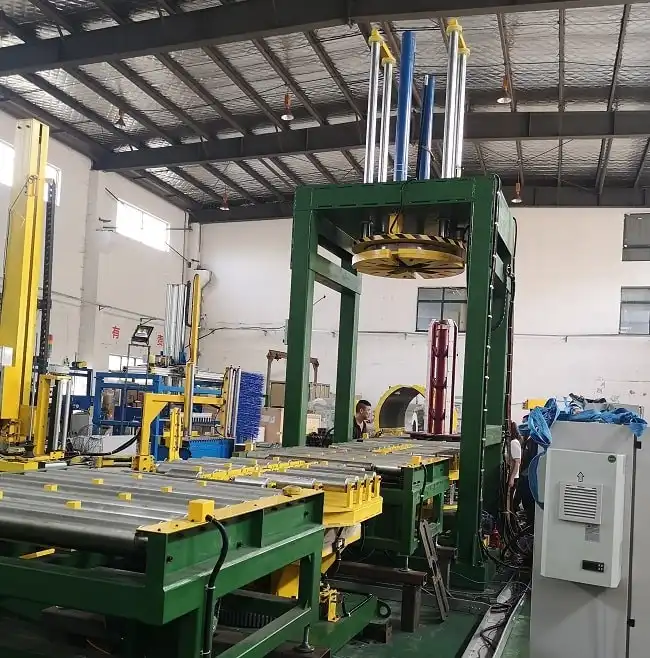
The High Stakes of Human Intervention in Heavy Packing
From my experience, having started on the factory floor and later building my own packing machine factory, I’ve seen firsthand the dangers that Michael Chen and his team face. Manual processes introduce numerous points of failure and danger. It’s not just about one wrong move; it’s about cumulative stress, fatigue, and the sheer unpredictability of human factors when dealing with such heavy, unforgiving materials.
- Direct Contact with Heavy Loads:
- Crush Injuries: Workers are often in close proximity to coils, making them vulnerable if a coil shifts, rolls, or is mishandled by a crane or forklift. Even small movements can be catastrophic given the weight. 💥
- Pinch Points: Fingers, hands, and limbs can get caught between coils or between a coil and machinery during placement or wrapping. 🩹
- Falling Objects: Incorrectly stacked or secured coils can fall, causing severe injury or fatality to anyone nearby. 🚨
- Musculoskeletal Disorders (MSDs):
- Strains and Sprains: Repetitive motions, heavy lifting, pushing, and pulling required for applying protective materials or securing straps lead to chronic back pain, shoulder injuries, and other MSDs over time. 💪
- Fatigue-Related Accidents: Long hours and physically demanding work contribute to fatigue, reducing alertness and increasing the likelihood of accidents. 😴
- Forklift and Crane Operations:
- Collisions: Busy factory floors, especially in large-scale operations like those Michael manages, often have forklifts and cranes operating simultaneously. This increases the risk of collisions with workers or other equipment. 🚧
- Improper Load Handling: Incorrectly loaded or balanced coils can fall during transport, endangering anyone in the vicinity. 🏗️
- Sharp Edges and Burrs:
- Lacerations: Steel coils, particularly freshly cut ones, can have sharp edges and burrs. Manual handling increases the risk of cuts and deep lacerations, requiring immediate medical attention. 🔪
- Environmental Hazards:
- Noise Exposure: Manual operations often involve loud machinery, contributing to long-term hearing damage for workers without proper protection. 🔊
- Dust and Particulates: While not directly safety-related, prolonged exposure to metal dust can cause respiratory issues. 🌬️
Consider the grim statistics. Work-related injuries are not just an abstract concept; they impact lives, families, and productivity directly. For a factory manager in Mexico dealing with significant volumes of metal, reducing these risks is not just a moral imperative, but a core operational strategy for sustainable growth. Manual packing, while seemingly cost-effective initially, quickly accrues hidden costs through accidents, absenteeism, and lower morale. (steel coil handling injuries, factory floor hazards, operational strategy)
2. How do automated systems boost safety in coil packing?
The question isn’t just about the dangers of manual labor, but how can we truly eliminate or at least minimize them? For any manager scrutinizing their production line for bottlenecks and risks, the answer often points towards smart automation. But how exactly does integrating an automated steel coil packing system translate into a safer work environment for your team? Are these systems just about speed, or do they offer a fundamental shift in how we protect our workers from the inherent dangers of heavy industrial tasks? (automated packing safety, industrial automation benefits)
Automated systems dramatically boost safety in coil packing by removing workers from direct contact with heavy, moving coils and hazardous machinery. They achieve this through precise, robotic handling, which eliminates the risks of crush injuries, strains, and human error associated with manual lifting and wrapping. Features like integrated sensors, safety interlocks, and controlled environments ensure that operations are performed with consistent precision, significantly reducing the potential for accidents. This shift means a safer workplace, fewer injuries, and a more secure production line for factories across heavy manufacturing sectors. 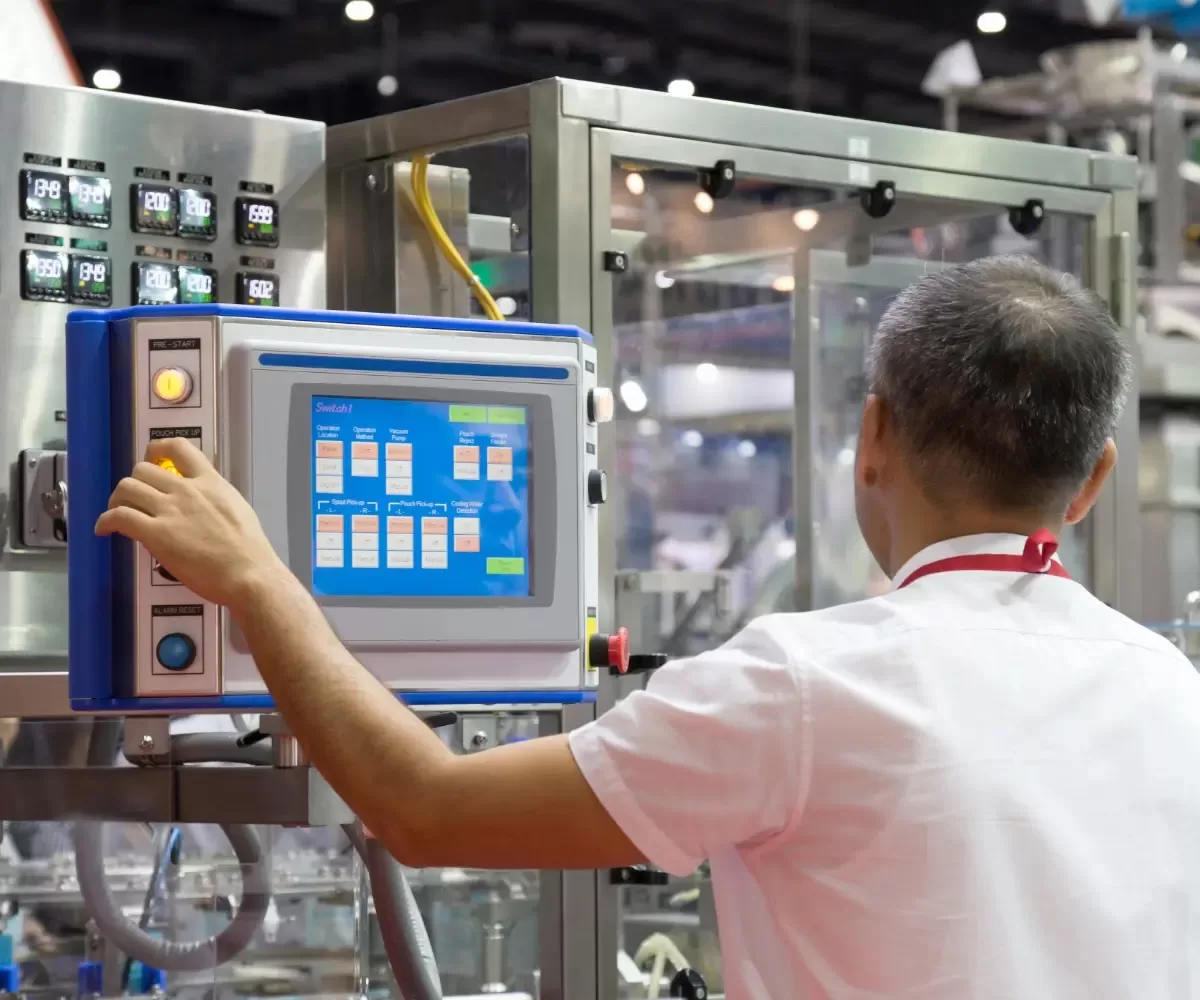
Engineering Safety into Every Process
My journey through the packing machine industry taught me that safety isn’t an afterthought; it must be designed into every component and process. Automated systems are engineered with this principle at their core, replacing brute force with intelligent design and precision. They create a buffer between the worker and the hazard, fundamentally changing the dynamics of the factory floor.
Here’s how automated systems enhance safety:
- Reduced Human-Machine Interaction:
- Remote Operation: Operators can monitor and control the entire packing process from a safe distance, often from a control room, eliminating the need to be in the immediate vicinity of moving coils or machinery. 💻
- Robotic Handling: Robotic arms and conveyor systems perform the heavy lifting, turning, and wrapping. This removes workers from tasks that previously led to strains, sprains, and crush injuries. 🤖
- Predictable and Controlled Environment:
- Consistent Operation: Automated systems perform tasks identically every time, reducing the variability and human error that often lead to accidents in manual processes. The risk of a coil being dropped or improperly secured is almost eliminated. ✅
- Safety Interlocks: Modern automated lines are equipped with interlocks that shut down machinery if a safety gate is opened or if a sensor detects an obstruction. This prevents operation when workers might be in a hazardous zone. 🛑
- Advanced Safety Features:
- Light Curtains and Area Scanners: These technologies create virtual safety zones around equipment. If a worker enters these zones, the machine automatically pauses or stops, preventing contact. 🚨
- Emergency Stop Buttons: Easily accessible emergency stops are strategically placed throughout the automated line, allowing for immediate shutdown in unforeseen circumstances. 🔴
- Guardings and Fencing: Physical barriers are integrated to prevent accidental access to dangerous moving parts, ensuring workers cannot inadvertently enter hazardous areas. 🛡️
- Improved Ergonomics and Workload:
- Elimination of Strenuous Tasks: Workers are no longer required to perform physically demanding tasks like manually applying strapping or protective wraps, significantly reducing the incidence of musculoskeletal injuries. 🧘♀️
- Focus on Oversight: The human role shifts from physically demanding labor to supervisory and maintenance tasks, which are generally safer and require different skill sets. 🧠
By implementing automated steel coil packing systems, Michael can transform his factory from a place of constant safety concern into an example of modern industrial safety. This change not only protects his workers but also allows them to contribute in more value-added ways, focusing on monitoring and optimization rather than hazardous, repetitive tasks. It’s a win-win for both safety and productivity, a common goal for factory managers in Mexico and globally. (automated industrial safety, worker protection systems, productivity enhancement)
3. What are the hidden costs of manual packing safety risks?
While the immediate cost of a manual labor force might seem lower on paper, have you truly considered the long-term, often hidden expenses associated with safety risks in manual packing? For factory managers like Michael, who are constantly under pressure to control costs and maximize efficiency, understanding these concealed financial drains is paramount. Are you only looking at wages, or are you factoring in the true impact of injuries, low morale, and operational disruptions that manual handling inevitably brings? (manual packing costs, operational efficiency impact)
The hidden costs of manual packing safety risks extend far beyond immediate medical expenses, significantly impacting a factory’s bottom line. These costs include increased insurance premiums, lost productivity from absenteeism due to injuries, expenses for training replacement workers, potential fines from safety violations, and product damage incurred during manual handling. Moreover, a high injury rate can lead to decreased employee morale, higher turnover, and a damaged company reputation, all of which contribute to long-term financial drains for businesses relying on manual processes for heavy steel coil or wire packing. 
Unmasking the Financial Drain of Accidents
When I first started my factory, the allure of lower upfront costs for manual labor was strong. But as I grew, I quickly learned that true cost-effectiveness comes from minimizing risks and maximizing operational uptime. The financial impact of an accident, even a minor one, ripples throughout the entire organization.
Let’s break down these hidden costs:
- Direct Costs:
- Medical Expenses: Hospital visits, surgeries, rehabilitation, and ongoing medication for injured workers.
- Workers’ Compensation: Insurance premiums increase with each claim, directly impacting operational budgets.
- Legal Fees: In cases of severe injury or fatality, legal battles can be costly and protracted.
- Indirect Costs (Often Far Greater):
- Lost Productivity:
- Absenteeism: Injured employees cannot work, leading to lost production days.
- Replacement Workers: Hiring and training temporary or new staff is costly and time-consuming, and they may not be as efficient.
- Production Delays: An accident often stops the production line for investigation, cleanup, and to ensure worker safety, leading to missed deadlines and client dissatisfaction. ⏳
- Decreased Output: Even after an accident, the remaining team’s morale and focus can be affected, reducing overall efficiency.
- Product Damage:
- Scratched or Dented Coils: Manual handling increases the risk of product damage during movement, stacking, or wrapping, leading to scrap, rework, or customer returns. This directly impacts profit margins. 📉
- Waste of Materials: Damaged products often mean wasted packing materials that cannot be reused.
- Reputational Damage:
- Loss of Trust: High injury rates can damage a company’s reputation, making it harder to attract skilled labor and potentially deterring new clients who prioritize reliable and safe suppliers. 📉
- Regulatory Scrutiny: Increased accidents can lead to investigations by safety authorities, potential fines, and stricter compliance requirements.
- Administrative Burden:
- Investigation Time: Management and safety teams spend significant time investigating accidents, completing paperwork, and implementing corrective actions.
- Training Costs: Constant training for new or replacement staff due to high turnover.
- Lost Productivity:
| Cost Category | Manual Packing Impact | Automated Packing Impact |
|---|---|---|
| Worker Injuries | High (strains, crushes, cuts) | Very Low (remote operation, safety features) |
| Medical Expenses | High | Negligible |
| Insurance Premiums | High, increases with claims | Lower, stable |
| Lost Productivity | Significant (absenteeism, downtime) | Minimal (planned maintenance) |
| Employee Turnover | High (due to injury risk, dissatisfaction) | Lower (safer, more skilled roles) |
| Product Damage | Moderate to High (manual handling errors) | Very Low (precise, consistent handling) |
| Reputation | Risk of negative perception | Enhanced (safe, modern operations) |
| Regulatory Fines | High potential | Very Low potential |
Michael’s challenge with current manual processes, slow efficiency, and high safety risks directly points to these hidden costs. An investment in automation isn’t just an expense; it’s a strategic move to cut these unseen drains, improve his factory’s financial health, and secure a more sustainable future for his operations in Mexico. (hidden costs of accidents, return on investment in automation, sustainable factory operations)
4. How can businesses like Michael’s transition safely to automation?
The idea of moving from manual processes to a fully automated system can feel overwhelming, especially for an experienced factory manager like Michael. It’s not just about buying new machines; it’s about a complete operational shift. How can businesses ensure this transition is smooth, safe, and truly beneficial, rather than a source of new problems or disruptions? Is there a clear roadmap to integrate automation without compromising current production or worker safety during the changeover? (safe automation transition, operational shift roadmap)
Businesses like Michael’s can transition safely to automation by adopting a phased approach, starting with a thorough assessment of their current processes and identifying critical areas for automation. Key steps involve detailed planning, selecting reliable partners who offer comprehensive support, rigorous safety training for existing staff to operate and maintain new equipment, and implementing a robust project management strategy. This systematic process ensures minimal disruption, maximizes safety during the integration, and allows the workforce to adapt effectively to new, safer roles, ensuring a successful upgrade to automated steel coil or wire packing systems.
My Roadmap for a Seamless Automation Journey
Through my years in this industry, both as an employee and a factory owner, I’ve guided many clients through this exact transformation. The key is not to rush but to partner with experts who understand the nuances of heavy packing and who prioritize your operational continuity and safety.
Here’s a practical roadmap for a safe and effective transition:
-
Comprehensive Needs Assessment and Planning:
- Identify Bottlenecks: Pinpoint specific areas where manual packing creates safety risks, production bottlenecks, and high costs. Michael’s challenges with slow efficiency and safety hazards in coil and wire packing are clear indicators. 🎯
- Define Goals: Clearly outline what automation should achieve – improved safety, increased throughput, reduced costs (ROI), and product quality.
- Feasibility Study: Evaluate the technical and financial viability of automation for your specific factory setup and product range.
- Timeline Development: Create a realistic project timeline, accounting for design, manufacturing, installation, and testing.
-
Partner Selection and Solution Design:
- Choose a Knowledgeable Partner: This is crucial. Don’t just look for a vendor; seek a partner like FHOPEPACK, or even FENGDING and WUXI BUHUI, who understand your specific challenges and can offer tailored solutions, not just off-the-shelf machines. They should have a proven track record in heavy-duty packing machines and strong after-sales support. 🤝
- Customized System Design: Work with your partner to design a system that integrates seamlessly with your existing infrastructure, ensuring compatibility and efficiency. This includes considering coil dimensions, weight, and desired packing materials.
- Safety Integration: Ensure the design incorporates all necessary safety features – guarding, interlocks, light curtains, emergency stops – compliant with international and local safety standards.
-
Phased Implementation and Installation:
- Modular Approach: Start with automating one segment of the packing line or one product type. This allows for testing, learning, and fine-tuning before full-scale deployment.
- Factory Floor Preparation: Prepare the installation area, ensuring proper utilities (power, compressed air) and structural support for new machinery.
- Controlled Shutdowns: Plan for minimal, controlled shutdowns during installation to prevent significant disruption to overall production. This might involve working in off-hours or during planned maintenance periods. 🛠️
-
Training and Skill Development:
- Operator Training: Train your existing workforce on how to safely operate, monitor, and troubleshoot the new automated equipment. Their roles will shift from manual labor to skilled supervision and maintenance.
- Maintenance Training: Equip your maintenance team with the knowledge to perform routine maintenance, diagnostics, and repairs on the automated system, minimizing downtime. 👨🔧
- Safety Protocols: Develop and enforce new safety protocols specific to the automated environment, ensuring everyone understands their responsibilities.
-
Post-Implementation Support and Optimization:
- After-Sales Service: Ensure your chosen partner provides robust after-sales support, including spare parts, technical assistance, and preventative maintenance. Michael’s previous negative experiences with suppliers highlight the importance of this. 📞
- Performance Monitoring: Continuously monitor the system’s performance, safety metrics, and efficiency to identify areas for further optimization.
- Continuous Improvement: Regularly review and update safety procedures and operational training based on real-world performance and new industry best practices.
By following this roadmap, factory managers like Michael can confidently steer their operations toward a safer, more efficient, and financially robust future. It’s about strategic investment and smart partnership, leveraging proven technologies to protect your team and grow your business. (automation roadmap, factory upgrade strategy, packing machine experts)
Conclusion
Investing in automated steel coil packing is a clear path to vastly superior safety compared to manual labor. This strategic move cuts hidden costs, boosts efficiency, and ensures a safer environment for your team, securing a brighter future for your steel coil packaging line operations.


